
Search didn’t die. It grew into something that answers.
ChatGPT, Perplexity and Google AI already answer your buyers — naming whoever they trust. Intenza makes that answer you.
Where your buyers are already asking
The shift
The search behavior your funnel was built on is gone. AI engines now answer your buyers directly — citing whoever they trust.
−25%
traditional search traffic by 2026
Gartner
65–85%
of ChatGPT prompts match no traditional keyword

Semrush
51%
of B2B buyers start research with an AI chatbot more often than Google

G2
+357%
YoY AI referrals to top-1000 sites

Similarweb, via TechCrunch
58%
of US Google searches end without a click
SparkToro
The signals
Every gap leaves a signal.
Recognize one? You’re on the right page. Each is a signal your old dashboards never surfaced — and the first thing we read.
The free audit
We detect these signals before you pay us anything. That's what the free audit is.
Seven gaps, read on your own domain — live on your dashboard, not a sample account.
The loop
Discover, publish, compound — on a loop.
Three moves, run continuously. Every round of growth feeds new demand back into discovery, so your visibility compounds instead of resetting.
- 01Find
Discover
We find where your buyers search — in Google and in AI — and reverse-engineer the sources behind their citations into a ranked map of where to win.
- Ranked gap map of your category
- Prompt & keyword clusters, by intent
- The sources behind rival citations
- 02Ship
Publish
On-brand pages, internally linked and technically clean, written to convert and to get cited by the engines — not generic, generated filler.
- On-brand pages, internally linked
- Written to convert — and be cited
- Technically clean, brand-approved
- 03Grow
Compound
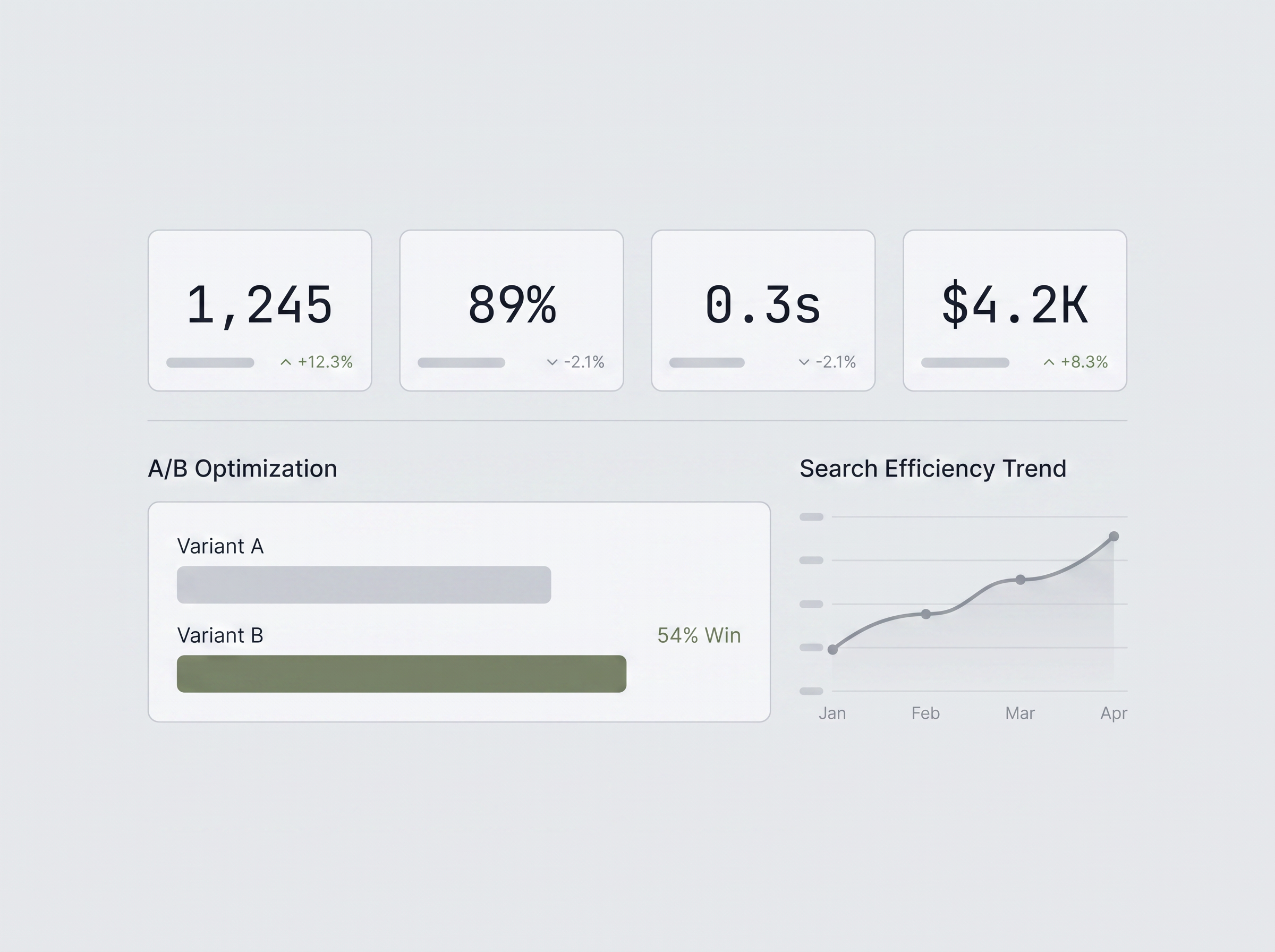
Live pages are A/B tested for what converts and refreshed before they decay — and the new demand they surface feeds the next round of discovery.
- A/B tested live for what converts
- Refreshed before citations decay
- Surfaces new demand to discover
The system
A system, not a project.
- Demand discovery
- AI visibility
- Competitive intelligence
- On-brand publishing
- Continuous optimization
- Honest measurement
Discover
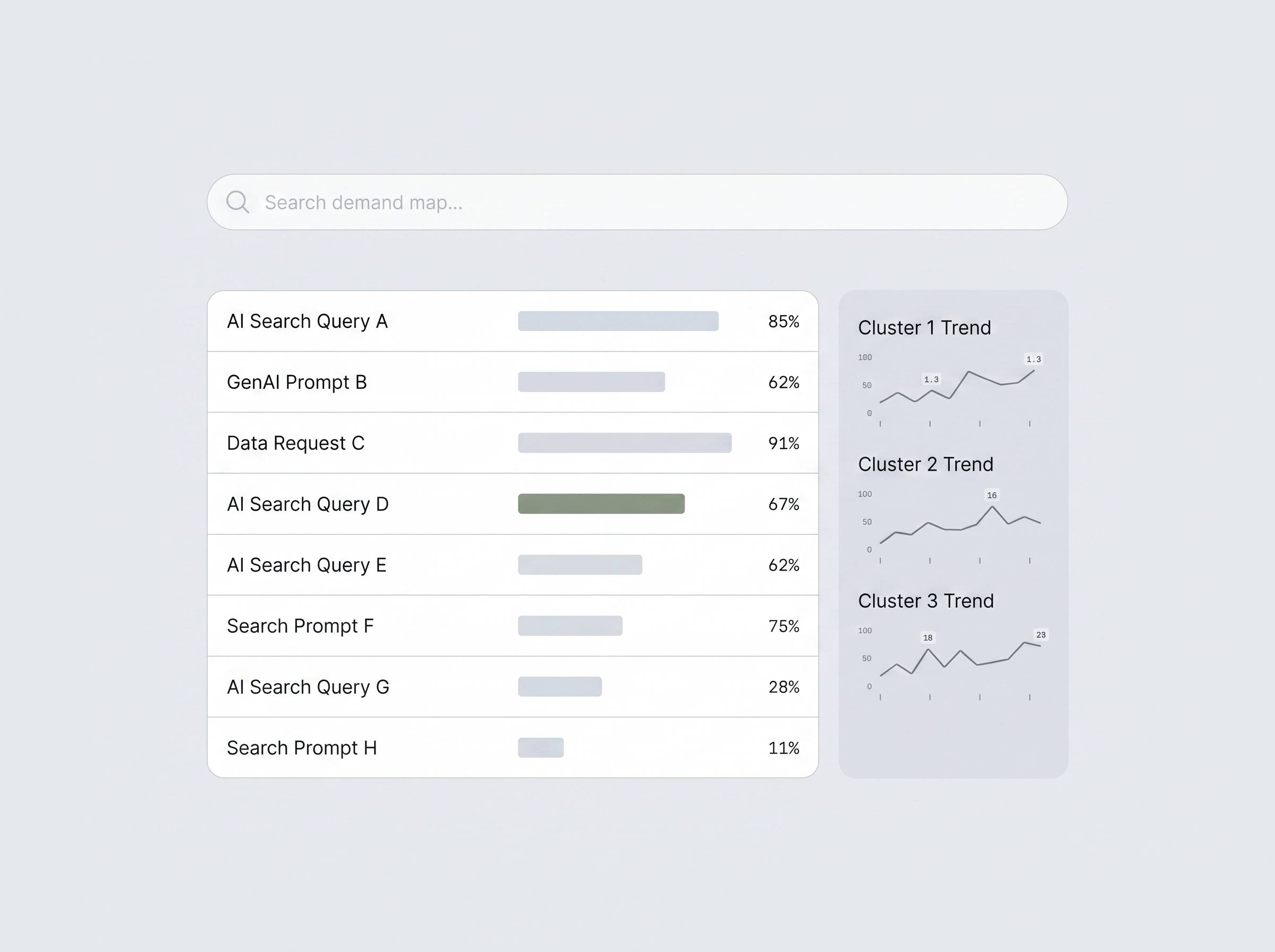
How do buyers actually search your category — before the volume shows up?
You know your top keywords. You do not know the hundreds of conversational prompts your buyers now type into ChatGPT and Perplexity — most of which match no keyword you track today.
Traditional research starts from search volume, so it never shows the zero-volume questions that signal demand before it spikes. By the time a term has volume, someone else already owns the answer.
Discover
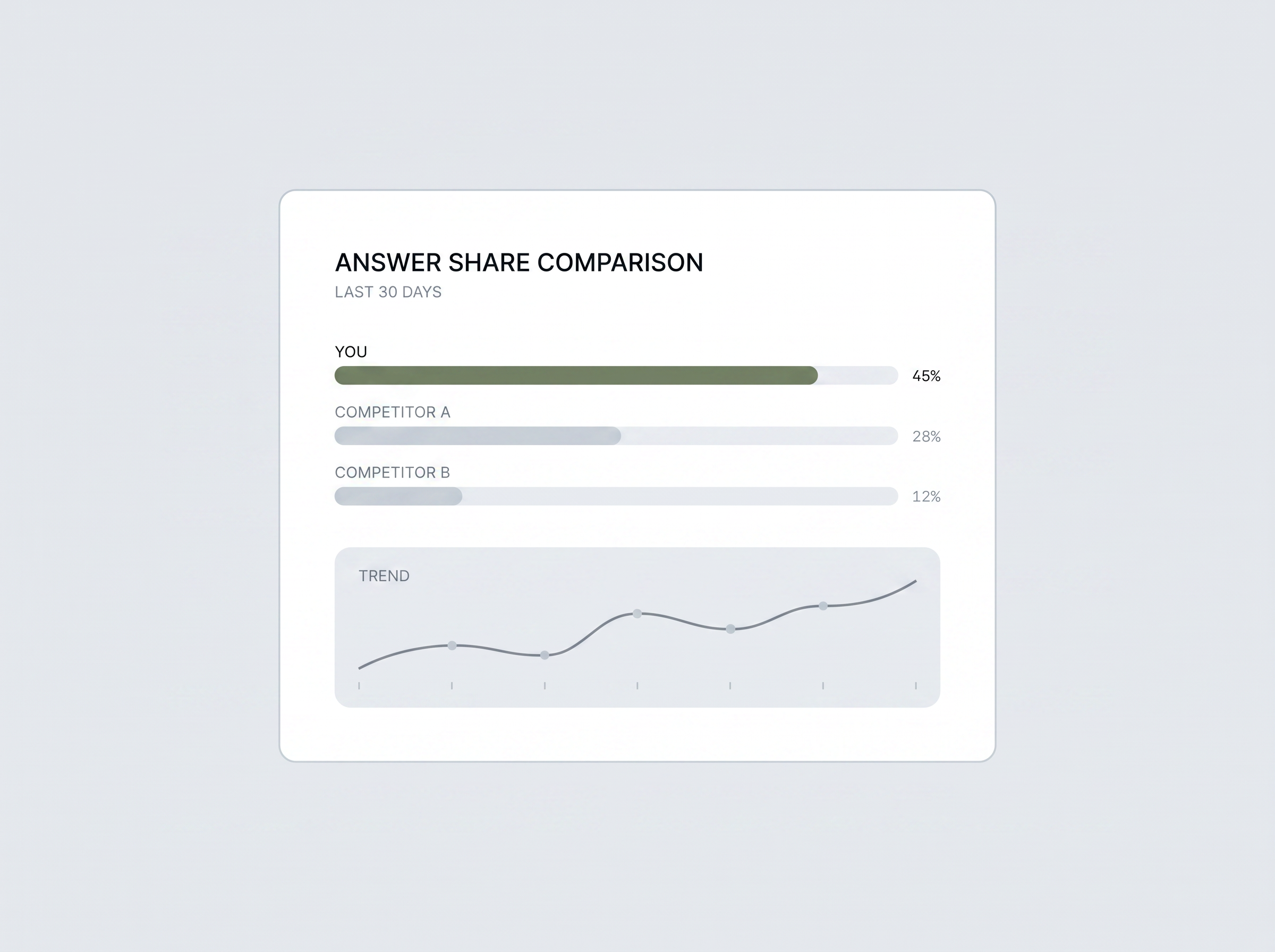
Do AI engines recommend you — or your competitor?
Your buyers increasingly ask an AI assistant before they ever reach Google. You have no idea whether those assistants name you, rank you first, or recommend a competitor in your place.
A ranking check will not tell you this. AI answers change by engine, by phrasing, and over time — and each engine sees a different version of your business.
Discover
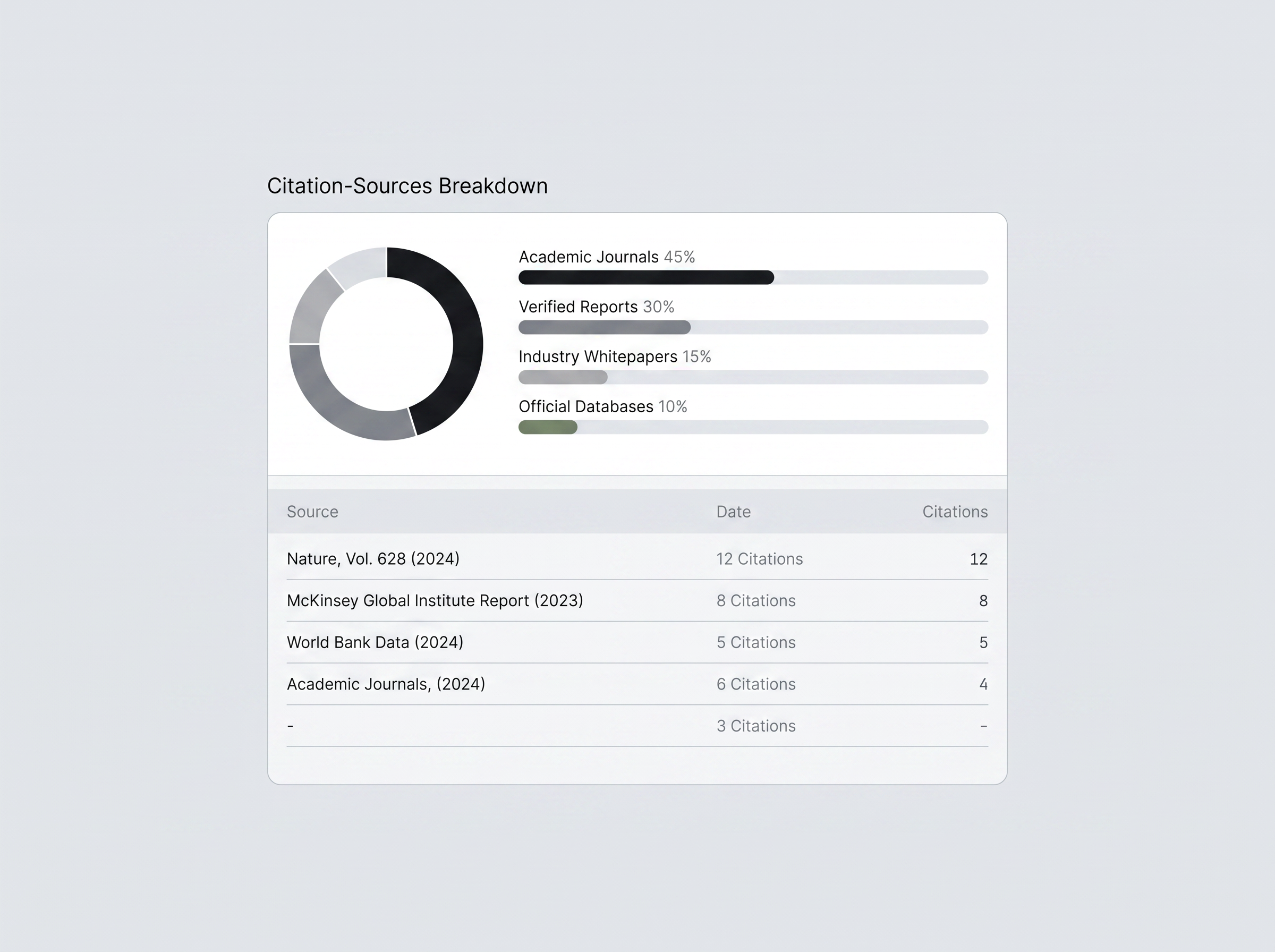
Where do your competitors' AI citations come from?
A smaller competitor keeps getting recommended — it is one of the most common things we hear. Their citation share is far bigger than their market share, and you cannot see why.
Working out who you compete with and what ground they cover normally takes a week of manual analysis, and it still misses the AI surface entirely.
Publish
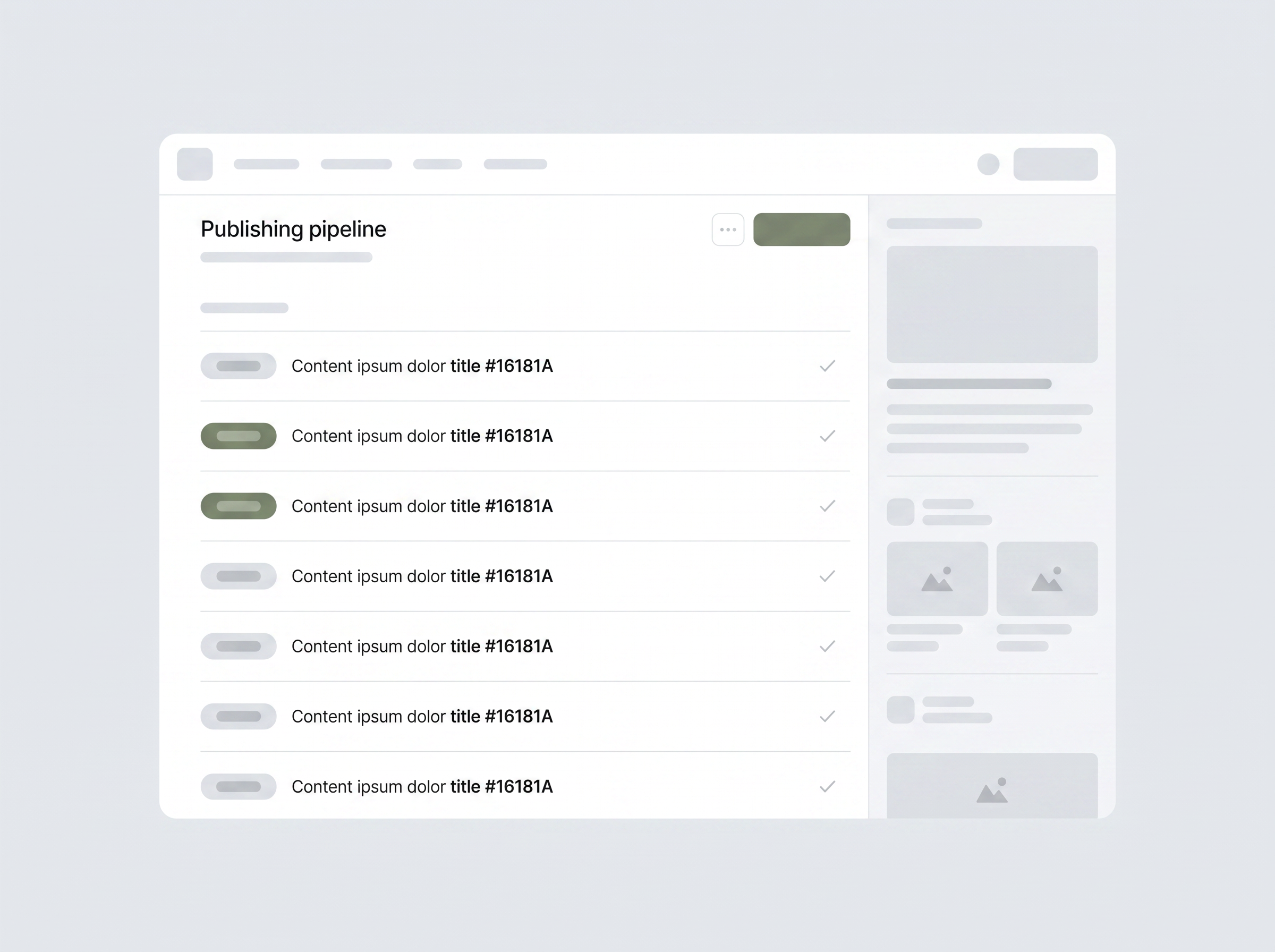
Content AI cites — and your brand team signs off on
You cannot produce content fast enough. Pages sit frozen for a year while demand moves, and the pages that do ship do not get cited.
The usual fix is more writers or more agencies — more cost and more brand drift. Neither scales, and neither is built for how AI engines choose what to quote.
Compound
Why do your citations decay while theirs compound?
Most sites are built once and left for six months. In AI search that costs you: citations decay, new prompts appear weekly, and the brands that keep publishing keep getting recommended.
First-mover advantage appears to compound here. Whoever owns the citations in a category tends to keep being recommended, so standing still is losing ground.
Compound
What we can measure — and what no one can
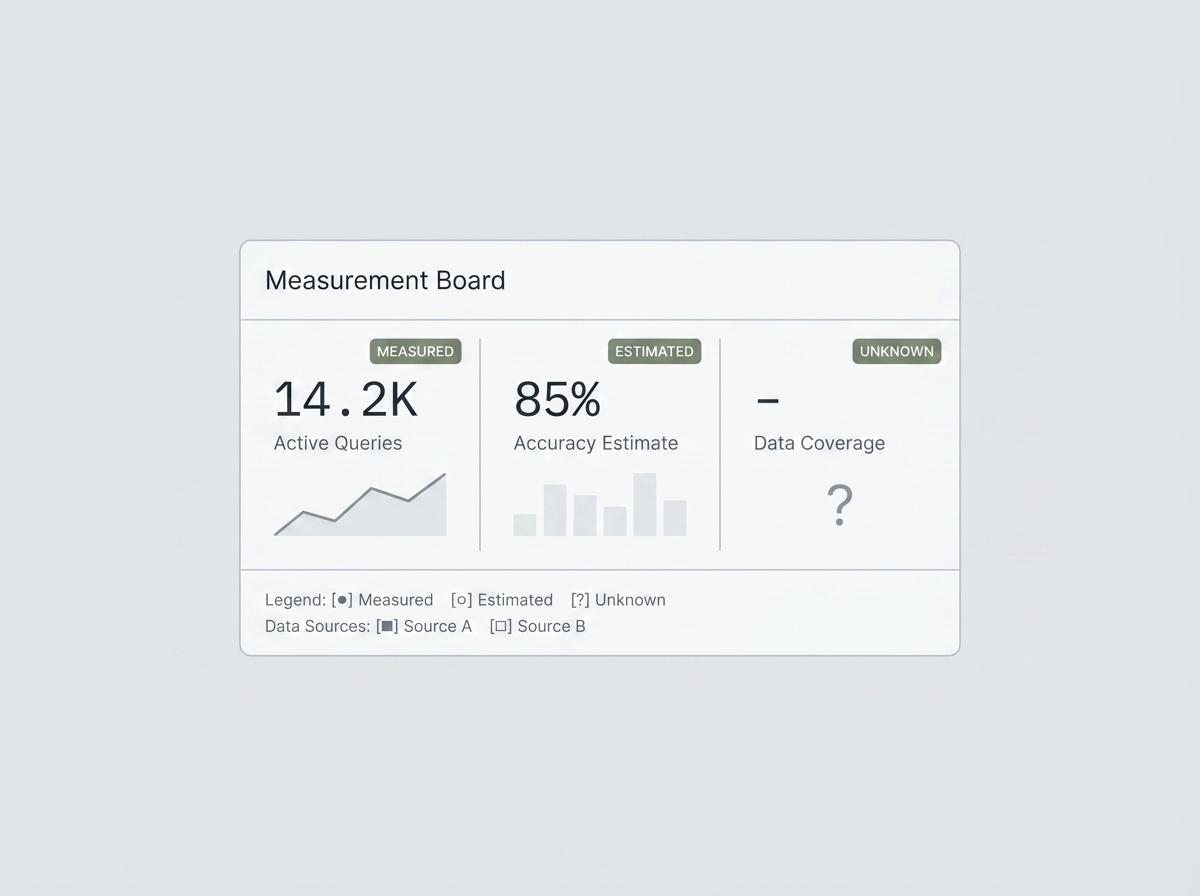
Right now you cannot measure AI search at all. There is no AI-sourced traffic in your analytics, and AEO is not in anyone’s brief.
Every vendor will tell you they track AI traffic perfectly. That is the tell. No one can, yet.
Human in the loop
Agents do the work. You make the calls.
A gate at every step
Nothing ships unbranded or unapproved. The system proposes, you approve, then it runs.
Brand-safe by design
Every page is checked against your brand and for cannibalization — and written to read human, not generated.
No black boxes
Every keep, drop, score and recommendation carries the rule that fired and the formula behind the number.
You stay in control
You steer from one live view — the gap map, the action queue, and every competitor move as it happens.
Who it’s for
One system. A different answer for every seat.
The free GEO audit
The answer is growing right now. Make sure it answers with you.
No deck, no call required — just your gap map, read on your own domain.
Instrument limit
What we won't tell you: that AI traffic can be tracked perfectly. It can't — no one can, yet.
What we will show you: exactly which engines cite you, for what, against whom, and how that changes week over week.
Live dashboard. Never a weekly PDF.
How you start
Start with one low-risk step.
You don't buy the whole system on day one. You start where the risk is lowest — a read of your own domain.
Step 01
Your gap map
We run discovery on your own domain and show you exactly where AI and search ignore or misrepresent you — before you pay anything.
Step 02
Publishing live
We stand up your pipelines and ship the first wave of on-brand pages, built to get cited.
Step 03
Always-on
The loop runs and you steer it from the dashboard — reviewed together, quarter over quarter.
Plant the first one.
Your gap map is free — the lowest-risk way to start. Plant it, and watch the visibility compound.
Questions
Straight answers.
What is Generative Engine Optimization (GEO)?
Generative Engine Optimization (GEO) is the practice of making your brand visible and accurately represented in AI-generated answers — in ChatGPT, Perplexity, Google AI Overviews — the way SEO does for classic search results.
Can you even track AI traffic?
Not perfectly — no one can, because the platforms deliberately hide their agents. What we do is deploy the best available tracking stack and label every number as measured, estimated, or unknown. Then we follow the signals that are real: citations, share of voice, and AI-referral trends over time.
Will this break our existing SEO?
No — GEO and SEO are one game. We start by protecting the positions you already win, and the audit shows you exactly where strong SEO is quietly masking an AI-visibility gap.
We already have an SEO/SEM agency.
Good — we don't replace them. We don't run SEM at all, and everything we produce exports cleanly to your own teams and your existing agencies.
How fast will we see anything?
Citation effects move faster than classic SEO: first changes tend to show within days of publishing, with durable movement over a few weeks. We won't put a fixed number on it up front — anyone who does is selling you a certainty that doesn't exist.
Is this AI-generated content spam?
No. Agents do the heavy lifting, humans stay in control: a compliance-aware pipeline, anti-cannibalization checks, and brand control on every piece before it ships.